Effective Pest Control Solutions for Homes and Businesses

Pests can invade our spaces unexpectedly, causing damage and discomfort. Whether you are a homeowner or a business owner, dealing with pests is a challenge that requires effective solutions. This blog post will explore various pest control strategies, helping you understand how to protect your environment from unwanted invaders.
Understanding the Importance of Pest Control
Pest control is not just about eliminating pests; it is about maintaining a healthy and safe environment. Pests can carry diseases, damage property, and create an unpleasant atmosphere. Here are some key reasons why pest control is essential:
Health Risks: Many pests, such as rodents and insects, can transmit diseases to humans and pets. For example, rodents can carry hantavirus, while mosquitoes can transmit West Nile virus.
Property Damage: Termites and carpenter ants can cause significant structural damage to homes and businesses. Early detection and control can save you from costly repairs.
Food Safety: In commercial settings, pests can contaminate food supplies, leading to health code violations and loss of business.
Common Pests and Their Impact
Understanding the types of pests that commonly invade homes and businesses can help in developing effective control strategies. Here are some of the most common pests:
Rodents
Rodents, including mice and rats, are notorious for invading homes and businesses. They can chew through wires, insulation, and even walls, leading to significant damage. Additionally, they reproduce quickly, making it essential to address an infestation promptly.
Insects
Insects such as ants, cockroaches, and termites can also pose serious threats. Ants can invade kitchens in search of food, while cockroaches can trigger allergies and asthma. Termites, on the other hand, can silently destroy wooden structures.
Bed Bugs
Bed bugs have become increasingly common in recent years. They can hide in mattresses, furniture, and even luggage, making them difficult to detect. Their bites can cause discomfort and lead to sleepless nights.
Spiders
While most spiders are harmless, some can pose health risks. For example, black widow and brown recluse spiders can deliver venomous bites. Keeping spider populations in check is crucial for safety.
Effective Pest Control Methods
When it comes to pest control, there are several methods available. Here are some effective strategies to consider:
Prevention
The best way to deal with pests is to prevent them from entering your space in the first place. Here are some preventive measures:
Seal Entry Points: Inspect your home or business for cracks and gaps. Seal any openings to prevent pests from entering.
Maintain Cleanliness: Regular cleaning can deter pests. Keep food stored in airtight containers and promptly clean up spills and crumbs.
Proper Waste Management: Dispose of garbage regularly and use sealed containers to minimize attractants.
Chemical Control
Chemical pest control involves using pesticides to eliminate pests. While effective, it is essential to use these products responsibly. Here are some tips:
Choose the Right Product: Different pests require different treatments. Research the appropriate pesticide for your specific pest issue.
Follow Instructions: Always read and follow the label instructions for safe and effective use.
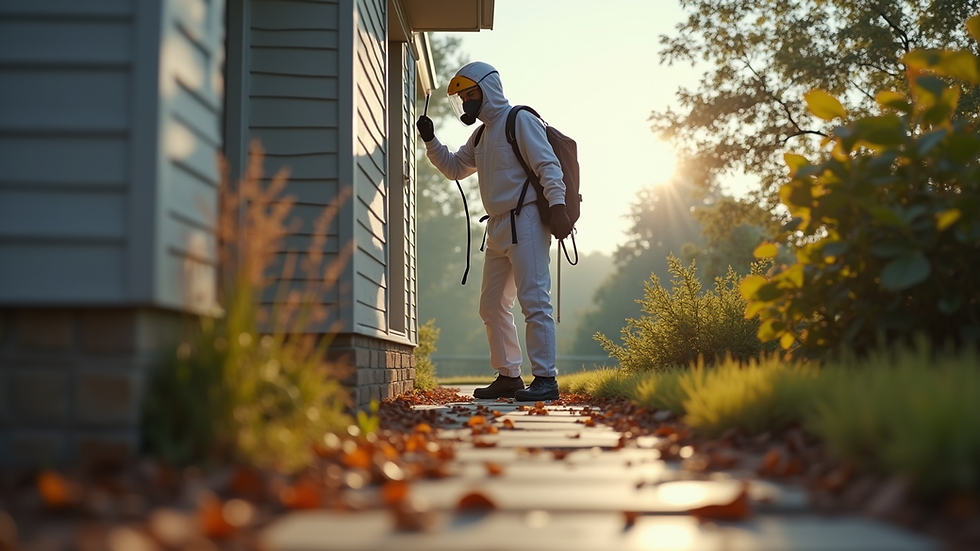
Consider Professional Help: If you are unsure about using chemicals, consider hiring a pest control professional.
Biological Control
Biological control involves using natural predators to manage pest populations. This method is often more environmentally friendly. For example:
Introduce Beneficial Insects: Ladybugs can help control aphid populations in gardens.
Use Nematodes: These microscopic worms can target soil-dwelling pests like grubs.
Integrated Pest Management (IPM)
Integrated Pest Management is a holistic approach that combines multiple strategies for effective pest control. IPM focuses on long-term prevention and minimizes risks to human health and the environment. Key components include:
Monitoring: Regularly inspect your property for signs of pests.
Identification: Correctly identify pests to choose the most effective control methods.
Control Measures: Use a combination of prevention, chemical, and biological methods as needed.

When to Seek Professional Help
While some pest issues can be managed independently, others may require professional intervention. Here are signs that it may be time to call in the experts:
Severe Infestation: If you notice a large number of pests or signs of extensive damage, professional help may be necessary.
Health Concerns: If pests pose a health risk, such as rodents or venomous spiders, it is best to seek professional assistance.
Persistent Problems: If you have tried DIY methods without success, a pest control professional can provide targeted solutions.
Choosing the Right Pest Control Service
When selecting a pest control service, consider the following factors:
Experience and Reputation: Look for companies with a proven track record and positive customer reviews.
Licensing and Insurance: Ensure the company is licensed and insured to protect yourself from liability.
Treatment Options: Inquire about the methods they use and whether they offer environmentally friendly options.
DIY Pest Control Tips
If you prefer to handle pest control on your own, here are some effective DIY tips:
Natural Remedies
Diatomaceous Earth: This natural powder can be sprinkled in areas where pests are present. It works by dehydrating insects.
Essential Oils: Certain essential oils, such as peppermint and tea tree oil, can repel pests. Mix with water and spray in affected areas.
Traps
Sticky Traps: These can be effective for catching insects like cockroaches and spiders.
Rodent Traps: Use snap traps or humane traps to catch rodents. Place them in areas where you have seen signs of activity.
Regular Maintenance
Yard Work: Keep your yard tidy by trimming bushes and removing debris that can harbor pests.
Seasonal Inspections: Conduct seasonal inspections of your property to identify potential pest entry points.
Conclusion
Effective pest control is essential for maintaining a safe and healthy environment in both homes and businesses. By understanding the types of pests, implementing preventive measures, and utilizing various control methods, you can protect your space from unwanted invaders. Whether you choose to tackle pest control on your own or seek professional help, taking action is crucial. Remember, the sooner you address a pest problem, the easier it will be to manage. Stay vigilant, and don’t hesitate to reach out for assistance when needed.

Comments